
Contents
A major website update is a comprehensive revamp of a company’s online presence. This can involve completely redesigning a website, reworking its layout to optimize user experience and navigation, or it could mean replacing outdated content with fresh words and imagery. Additionally, an overhaul could also include developing new features such as implementing enhanced search capabilities or integrating web analytics tracking tools. Through a major website overhaul, organizations can ensure that their content is relevant and up-to-date so that visitors have the best possible experience when browsing the site. It can also help them reach goals such as acquiring new customers or increasing engagement with existing ones.
How To Redesign Your Website Without Losing Valuable SEO
A major website update or overhaul can have a significant impact on your SEO efforts as well. Depending on the scope of the update, the impact can be positive or negative. Here are some of the factors that can affect your SEO that should be considered during the redesign process:
Changes in website structure
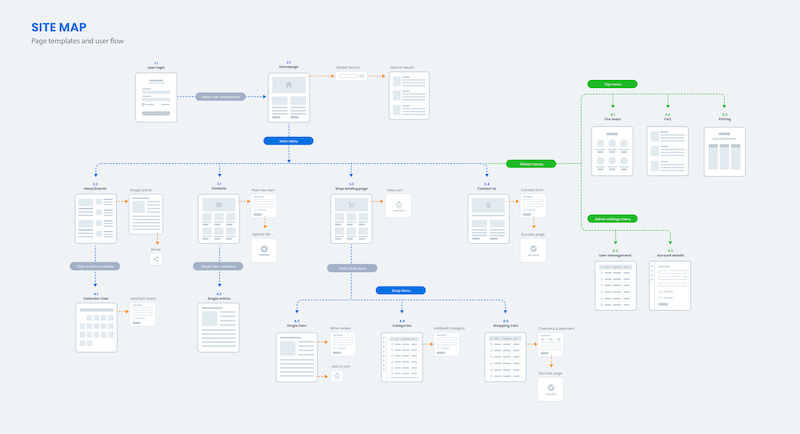
If the website structure changes significantly, it can affect the way search engines crawl and index your website. If the changes are not properly managed, it can result in broken links, duplicate content, and other issues that can hurt your SEO. What to do: crawl your site with Screaming Frog (or similar) and identify where and how you will change the structure. You want most of your content to be accessible within a maximum of 2-3 clicks, and avoid creating a pyramid-like page structure.
Changes in URL structure
If the URL structure changes, it can affect your website’s rankings and traffic. It’s important to implement proper redirects to ensure that visitors and search engines are directed to the new pages. What to do: Identify pages that will be moved, or removed and build a proper 301 redirect list and upload this into your new website.
 Changes in content
If the website content changes significantly, it can affect your website’s rankings for specific keywords. It’s important to maintain the quality of your content and ensure that it is optimized for the right keywords. What to do: look at your analytics and ensure you are not removing pages that are your top sources for organic traffic. If the content is outdated, the ideal thing to do would be to just update the content. If you can’t do that, then at a minimum, redirect the old page to a new page that would be most relevant to the one you are removing.
Site speed
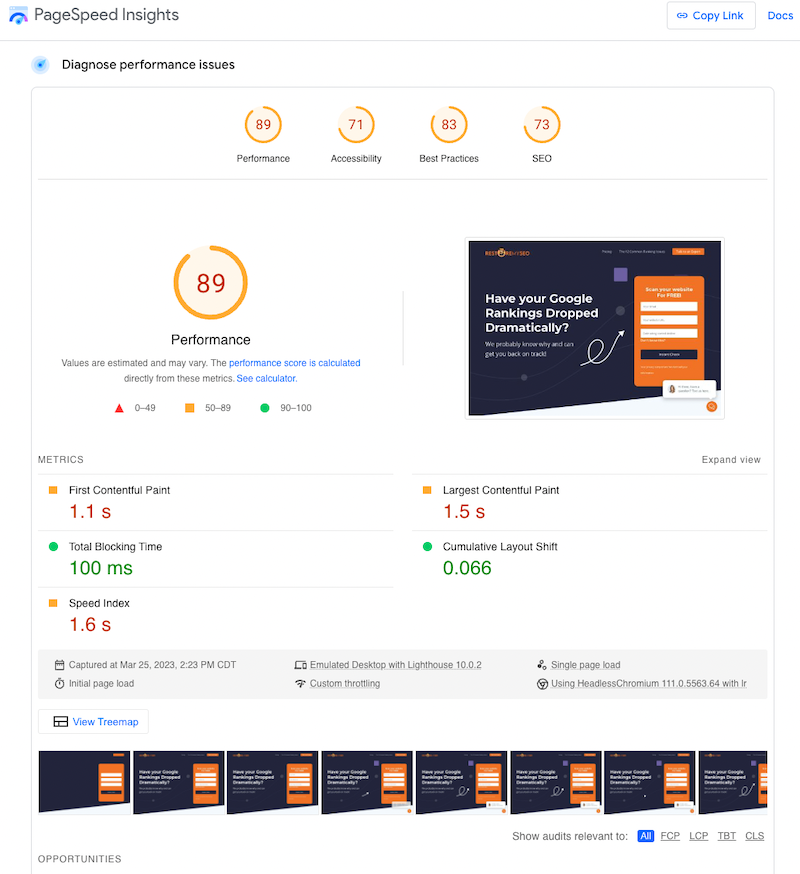
If the website’s speed is affected by the update, it can also affect your SEO. Slow-loading pages can result in a poor user experience and lower rankings. What to do: take an inventory of all of your pages load times (you can get this from Google Analytics or Search Console), and test the pages after the redesign is launched. Look for changes in your core web vitals scores in GSC.
 Mobile-friendliness
If the update includes changes to the website’s mobile responsiveness, it can also affect your SEO. Google prioritizes mobile-friendly websites in search results, so it’s important to ensure that your website is optimized for mobile devices. What to do: Check GSC for any errors with mobile pages and address each of them.
To minimize the negative impact of a major website update on your SEO, it’s important to carefully plan and manage the update. This includes properly redirecting URLs, maintaining the quality of your content, ensuring site speed is not impacted, and ensuring mobile-friendliness. Additionally, monitoring your website’s performance after the update can help you identify any issues and make necessary adjustments.
